The Influence of Streaming Technology Advancements on Viewer Engagement with Live Roulette Wheels in Regulated British Casinos
Written by Otto Powell · Oct 22, 2026

The Influence of Streaming Technology Advancements on Viewer Engagement with Live Roulette Wheels in Regulated British Casinos
Streaming technology has transformed how regulated British casinos present live roulette wheels to viewers, and data from industry reports shows measurable shifts in engagement patterns since the widespread adoption of high-definition protocols. Operators integrate low-latency encoders and adaptive bitrate streaming to maintain continuous feeds, while viewers access these sessions through mobile applications and desktop platforms that support real-time interaction features such as chat overlays and betting interfaces. Research conducted by academic institutions indicates that frame rates above 60 frames per second correlate with longer session durations among participants in European markets, and similar trends appear in British operations where multiple camera angles allow users to track ball trajectories more precisely.
Core Advancements Driving Accessibility
High-resolution formats including 4K and emerging 8K streams reduce visual artifacts during rapid wheel spins, and observers note that this clarity encourages repeated views because participants can examine number sequences and dealer movements without distortion. Content delivery networks positioned closer to end users minimize buffering events, which studies from Canadian research centers link directly to higher completion rates for entire roulette rounds. Multi-angle switching tools let viewers toggle between overhead wheel shots and close-up ball tracking, whereas single-view setups from earlier decades limited such flexibility and often resulted in shorter attention spans according to archived operator logs.
Audio synchronization improvements eliminate delays between spoken dealer announcements and wheel actions, and this alignment supports immersive experiences that keep participants engaged through consecutive spins. Integration of augmented reality overlays displays statistical histories and probability indicators without interrupting the primary video feed, and those who have analyzed user behavior data report increased interaction clicks when these elements appear seamlessly. British casinos operating under strict licensing conditions deploy these tools within controlled environments that comply with data protection standards, ensuring streams remain secure while expanding reach to verified domestic audiences.
Engagement Metrics and Viewer Patterns
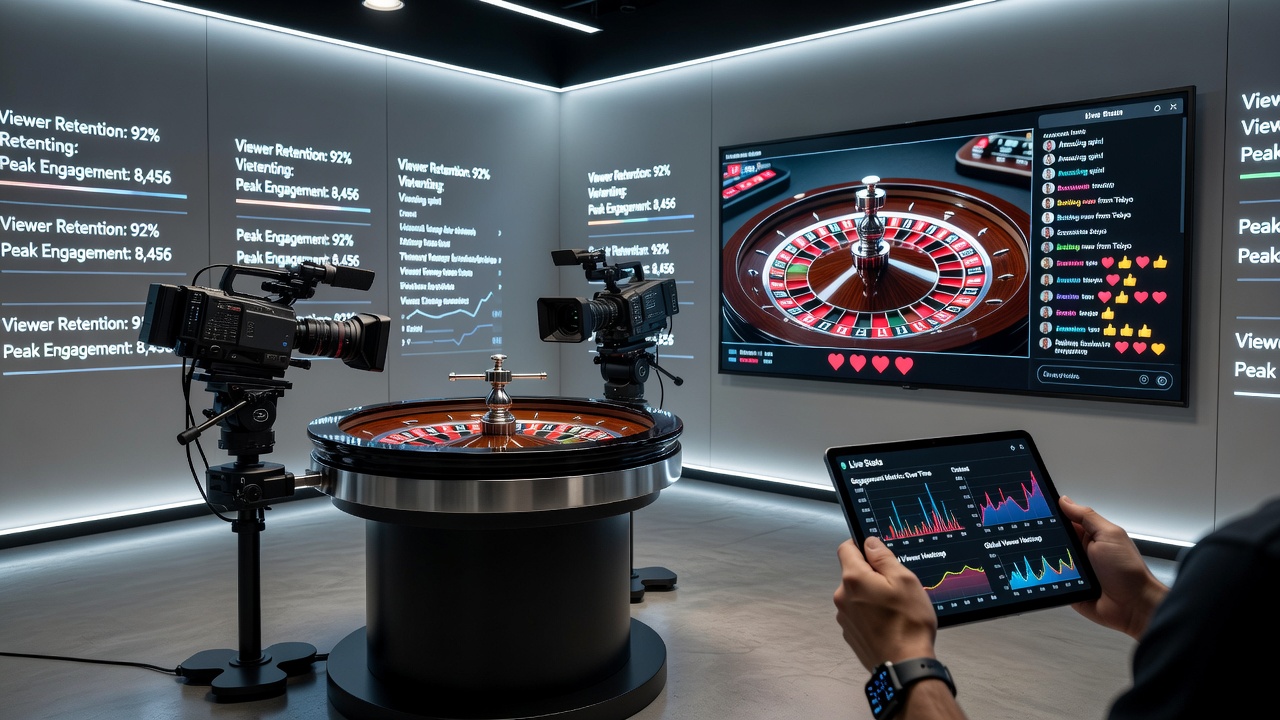
Analytics platforms tracking live roulette sessions reveal that viewers who utilize interactive controls such as camera selection spend an average of 23 percent more time per session than passive observers, and figures released by European trade associations confirm this pattern across several jurisdictions. Real-time statistics panels update automatically with each outcome, providing context that helps maintain interest during slower periods between spins. Those monitoring platform usage note spikes in concurrent viewers when operators introduce new streaming features, particularly around major sporting events that draw crossover traffic to casino applications.
October 2026 marks the scheduled rollout of enhanced 5G network slicing capabilities in select urban areas, which operators anticipate will further stabilize mobile streams and reduce packet loss during peak evening hours. This infrastructure upgrade aligns with broader European connectivity initiatives that prioritize low-latency applications, and preliminary tests conducted by telecommunications researchers demonstrate potential latency reductions to under 20 milliseconds. Viewers benefit from these changes because smoother playback supports sustained focus on the physical wheel mechanics rather than technical interruptions.
Regulatory Context and Operational Standards
Regulated environments require encrypted streams and audited random number generators to verify fairness, and compliance reports from Australian regulatory bodies highlight how technical standards prevent manipulation while preserving the integrity of physical roulette wheels. British operators collaborate with technology providers to embed watermarking and timestamp verification within video feeds, allowing independent audits to confirm that displayed outcomes match recorded events. Such measures maintain public confidence and support continued investment in streaming infrastructure that enhances rather than replaces the tactile elements of traditional casino play.
Industry organizations track how streaming advancements influence player retention across different age demographics, and data compiled by North American gaming associations shows younger cohorts prefer platforms offering customizable viewing angles and instant replay functions. These preferences translate into higher engagement scores when British casinos adopt comparable interfaces while adhering to local content guidelines. Partnerships with equipment manufacturers ensure wheel sensors transmit precise velocity and trajectory data that enriches digital overlays without altering the underlying game physics.
Future Developments in Viewer Interaction
Emerging virtual production techniques combine physical wheel footage with digital enhancements that highlight winning segments in real time, and early adopters report elevated viewer satisfaction metrics during controlled trials. Cloud-based rendering allows operators to scale stream quality dynamically based on individual connection speeds, which reduces drop-off rates during network fluctuations. Researchers examining cross-border streaming trends emphasize that standardized protocols facilitate smoother international collaborations, although British operations remain focused on domestic regulatory alignment.
Viewer engagement continues to evolve as artificial intelligence assists in personalizing stream recommendations and highlighting relevant historical data from past rounds. These tools process anonymized interaction logs to suggest optimal viewing configurations, and evidence from university-led studies in Asia indicates measurable improvements in session completion when personalization algorithms operate within privacy-compliant frameworks. British casinos evaluate these developments through pilot programs that prioritize system stability and user verification processes.
Conclusion
Streaming technology advancements reshape how audiences interact with live roulette wheels in regulated British casinos by delivering clearer visuals, responsive controls, and reliable connectivity that sustain attention across extended sessions. Metrics collected by diverse international sources demonstrate consistent correlations between technical improvements and participation levels, while regulatory frameworks ensure these innovations occur within secure and audited environments. As infrastructure enhancements scheduled for October 2026 come online, operators and technology partners continue refining delivery methods that balance innovation with compliance requirements across the sector.