How UK Licensing Shapes Payment Choices for Live Game Show Players on Mobile Platforms
Written by Erik Koch · Aug 18, 2026
How UK Licensing Shapes Payment Choices for Live Game Show Players on Mobile Platforms
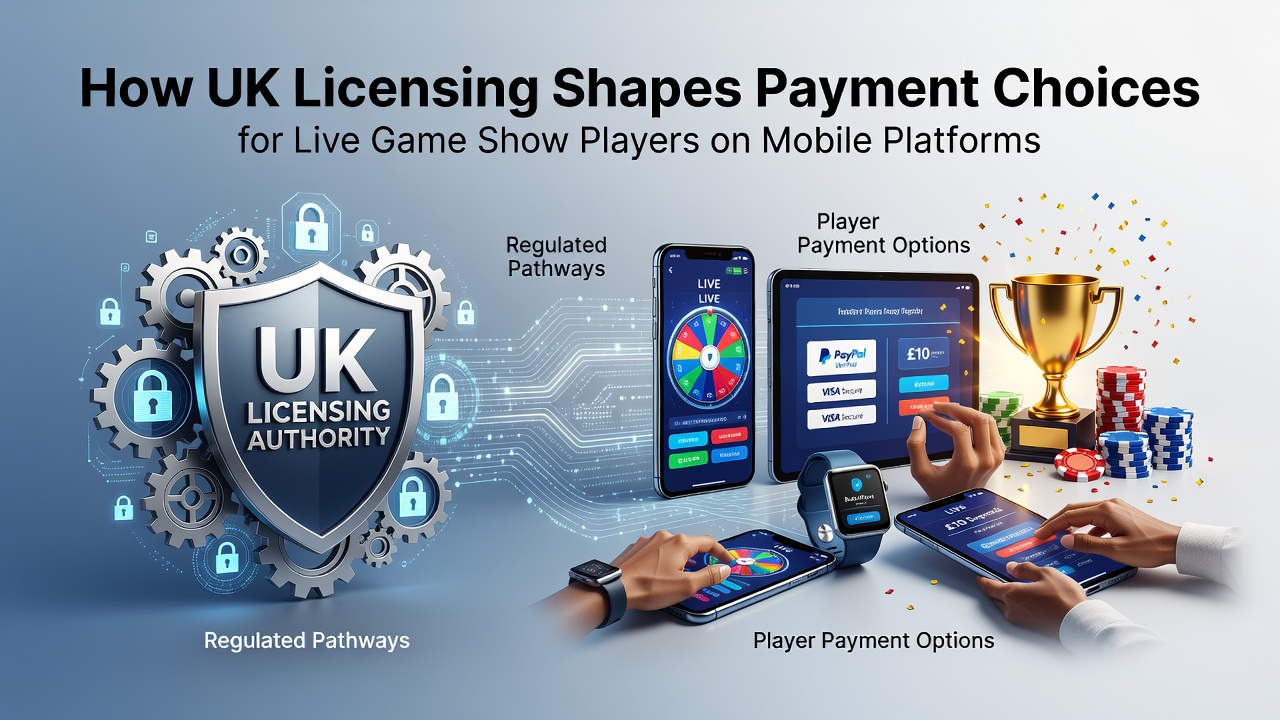
UK licensing frameworks require operators of live game shows on mobile platforms to integrate payment systems that meet strict security, verification, and consumer protection standards, which in turn narrows the range of methods available to players. These requirements focus on preventing money laundering, ensuring funds reach accounts promptly, and maintaining transaction records that regulators can audit. Players therefore encounter fewer options than they might on unregulated platforms, yet the systems that remain tend to offer faster processing and stronger safeguards.
Core Licensing Conditions Affecting Payments
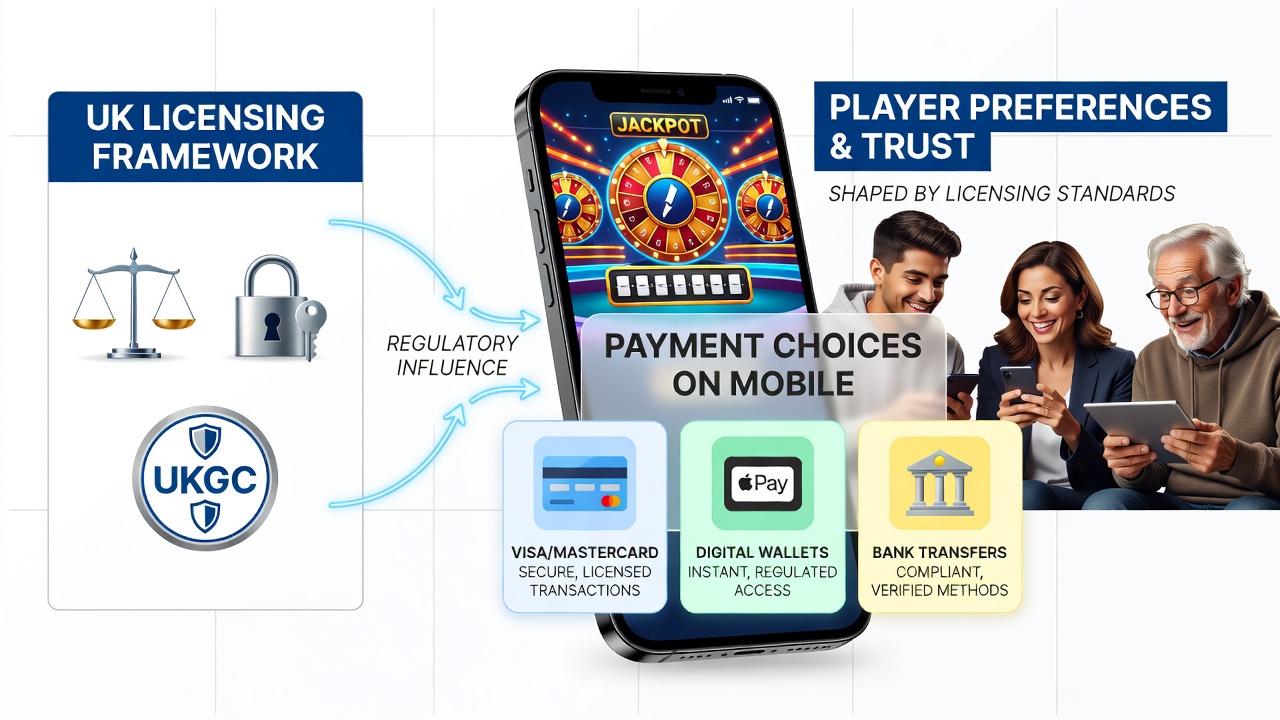
Licensed operators must partner only with payment processors that hold appropriate authorizations from financial authorities, and this rule directly influences which buttons appear on a mobile checkout screen. Credit card transactions require additional age and identity checks before funds transfer, while e-wallet services must route through entities that comply with the same record-keeping rules. Direct bank transfers gain preference because they leave clear audit trails, whereas cryptocurrency gateways often face exclusion unless the operator demonstrates equivalent controls. Observers note that these constraints create a consistent user experience across different live game show titles, since every app follows the same baseline rules.
Mobile Platform Specifics
Smartphone users benefit from built-in features such as biometric authentication that licensed operators incorporate to satisfy verification mandates. Apple Pay and Google Pay appear more frequently because their tokenization methods align with licensing demands for reduced fraud risk. In contrast, lesser-known third-party apps may disappear from menus once operators review them against updated compliance checklists. Data indicates that session lengths increase when players select familiar mobile payment flows, since fewer steps stand between joining a live round and confirming a stake. Research from the European Gaming and Betting Association highlights how standardized mobile APIs reduce friction while still meeting licensing thresholds across multiple jurisdictions.
August 2026 brings scheduled refinements to cross-border payment reporting that will require additional metadata on every mobile transaction above a set threshold. Operators have already begun testing systems that capture this information automatically, which should limit future disruptions for players who stick with approved methods. Those adjustments will likely favor services already integrated into major mobile operating systems.
Available Payment Methods Under Current Rules
Debit cards remain the most common choice because they combine speed with automatic verification against banking records. E-wallets such as PayPal and Skrill operate within licensed environments provided they maintain segregated player funds and submit regular compliance reports. Bank transfers, including Faster Payments, deliver near-instant deposits and withdrawals when the operator routes them through approved channels. Prepaid vouchers appear less often on mobile live game show apps since they complicate the required linkage between payment source and verified player identity. Figures from industry reports show that over 70 percent of mobile transactions for these titles now route through debit or e-wallet channels that satisfy licensing criteria.
Player Experience and Compliance Overlap
Live game show participants on mobile devices frequently notice that deposit limits reset according to licensing-mandated responsible gambling tools, which affects how much they can move in a single session. Payment confirmation screens display clear warnings about transaction times and any applicable fees, information that must appear under licensing transparency rules. When players encounter a declined transaction, the app typically directs them to contact their chosen payment provider rather than the game operator, reflecting the separation of responsibilities that licensing enforces. This structure keeps the focus on entertainment while the underlying payment rails handle regulatory obligations.
Looking Ahead to Further Refinements
Future licensing updates will likely emphasize open banking integrations that let players authorize transfers directly from banking apps without leaving the game interface. Such developments could further streamline mobile experiences while preserving the audit capabilities regulators require. A study conducted by researchers at the University of Melbourne on digital payment adoption in regulated entertainment markets suggests that seamless verification steps correlate with higher retention rates among mobile users. Operators preparing for these changes continue to evaluate which additional processors can meet both technical and licensing benchmarks without introducing new friction.
Conclusion
UK licensing continues to define which payment rails support live game shows on mobile platforms by setting minimum standards for security, verification, and reporting. Players therefore select from a curated list of options that balance convenience with compliance, resulting in predictable and auditable transactions. As mobile technology and regulatory expectations evolve in tandem, the intersection between licensing conditions and payment choices will remain central to how these interactive shows operate.