Britain's Shift Toward Biometric Verification Tools in Securing Live Blackjack Sessions on Mobile Platforms
Written by Otto Powell · Oct 8, 2026
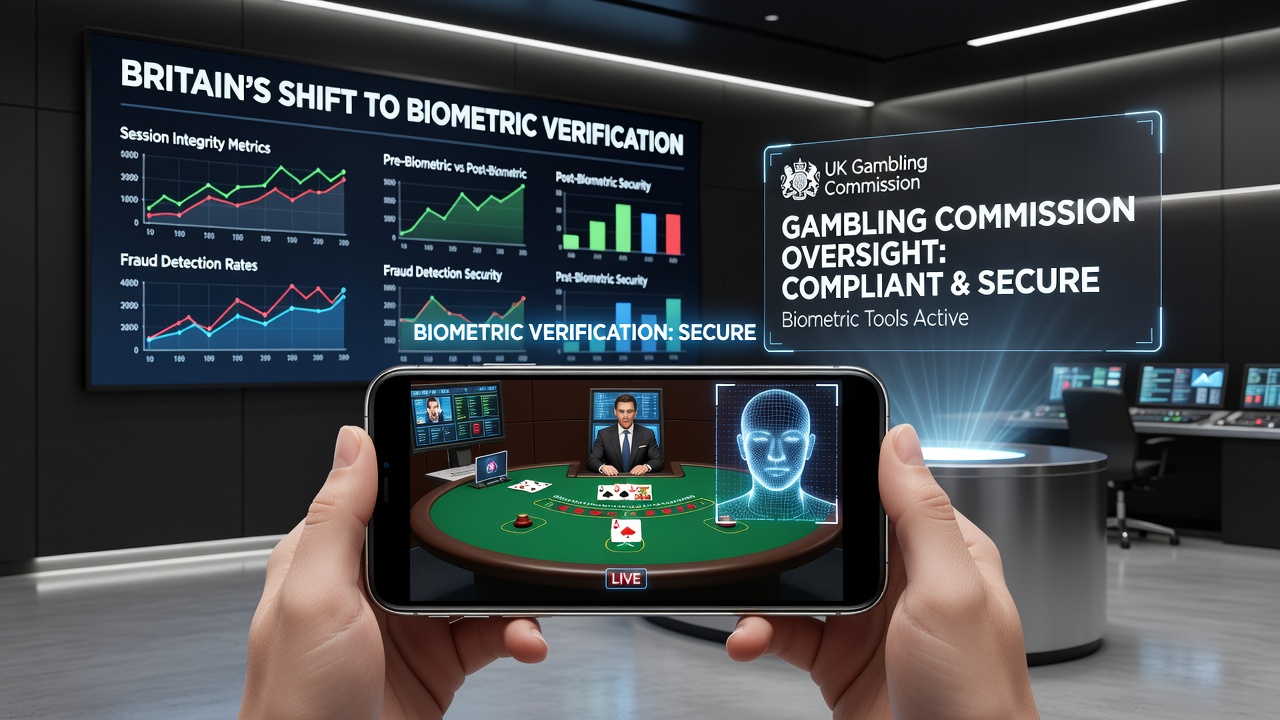
Britain's Shift Toward Biometric Verification Tools in Securing Live Blackjack Sessions on Mobile Platforms
Operators across Britain have accelerated adoption of biometric verification tools to secure live blackjack sessions on mobile platforms, and this trend reflects broader efforts to strengthen player authentication while maintaining smooth gameplay experiences. Data from industry reports shows increased integration of facial recognition, fingerprint scanning, and voice analysis in apps that deliver real-time dealer interactions, and these measures address vulnerabilities such as account sharing and unauthorized access that have persisted in digital gambling environments.
Drivers Behind the Adoption of Biometrics in Mobile Blackjack
Research indicates that mobile live blackjack sessions face unique risks because players access games from various locations and devices, yet traditional login methods like passwords often fall short in preventing fraud. According to findings from the Canadian Gaming Association, biometric systems reduce unauthorized play incidents by up to 40 percent in comparable markets, and British operators have applied similar technologies to comply with evolving standards for identity confirmation. Developers have embedded these tools directly into apps so that users complete quick scans before joining tables, and this approach keeps sessions flowing without repeated manual entries.
Studies from academic institutions highlight how biometrics integrate with existing mobile hardware such as smartphone cameras and sensors, and the result streamlines verification while adding layers of protection against synthetic identities. One case documented by researchers at a European university revealed that voice pattern analysis during dealer conversations helped flag anomalies in player behavior during extended blackjack rounds, and operators in Britain have begun testing comparable features in their platforms.
Technical Implementation and Player Experience
Live blackjack platforms now prompt biometric checks at session start and during key moments like large wagers or extended play, and this timing balances security needs with minimal disruption. Fingerprint authentication allows returning users to resume tables rapidly, while facial recognition confirms ongoing presence through periodic subtle scans that run in the background. Observers note that these processes rely on encrypted data transmission to protect user information, and developers have refined algorithms to handle varying lighting conditions common in mobile use.
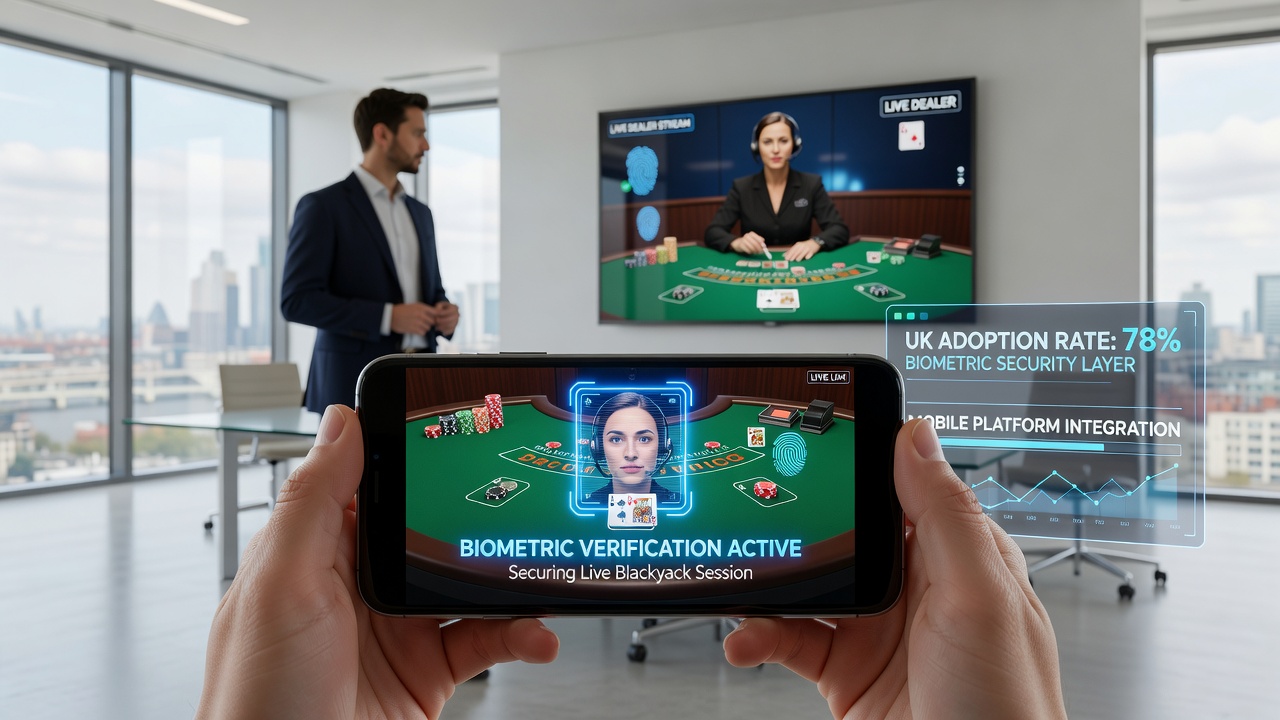
Players encounter clear on-screen instructions that guide them through initial setup, and the systems store templates locally on devices rather than central servers in many implementations. This design choice limits exposure risks, and data shows higher completion rates for verification steps when the process feels intuitive. In October 2026, several major platforms rolled out updated versions that combine multiple biometric factors, and early figures reveal improved session retention alongside reduced support queries related to access issues.
Regulatory Context and Industry Standards
British frameworks emphasize robust identity checks for mobile gambling activities, and operators respond by incorporating biometrics to meet expectations around responsible provision. External benchmarks from bodies such as Australia's National Institute of Forensic Science provide models for accuracy thresholds that influence local practices, and these references help standardize performance across different device types. Industry groups track deployment metrics to identify best practices, and collaboration between technology providers and platform developers has produced tools tailored specifically for live dealer environments like blackjack.
Evidence from pilot programs demonstrates that biometric integration supports age verification alongside session security, and this dual function aligns with broader goals of maintaining platform integrity. Those who've examined deployment logs report fewer instances of multi-account usage when facial recognition pairs with device binding, and the combination creates a more reliable audit trail without requiring additional documentation uploads.
Future Outlook for Biometric Tools in Live Mobile Gaming
Continued refinement of biometric algorithms focuses on reducing false rejections during gameplay, and advances in machine learning allow systems to adapt to individual player patterns over time. International reports from research institutions project wider rollout of hybrid verification methods that layer biometrics with behavioral analytics, and British operators monitor these developments to stay aligned with global trends. The shift supports expanded mobile live blackjack offerings while addressing security demands that accompany increased participation.
Conclusion
Britain's movement toward biometric verification in mobile live blackjack sessions demonstrates how technology adapts to regulatory and operational requirements, and available data underscores measurable gains in authentication reliability. As platforms evolve through 2026 and beyond, these tools form a core component of secure delivery models that prioritize both protection and accessibility for participants.